Large Backyard Chicken Run
Highlighted under: World Flavor Essentials
I absolutely love creating safe and spacious environments for my chickens to thrive. Designing a large backyard chicken run has been a rewarding project that brings both function and beauty to my garden. Not only does it provide a secure area for my flock, but it also allows them to roam freely while protecting them from predators. With thoughtful planning and the right materials, I’ve crafted a run that blends perfectly with my landscape, making it an inviting space for both my chickens and myself.
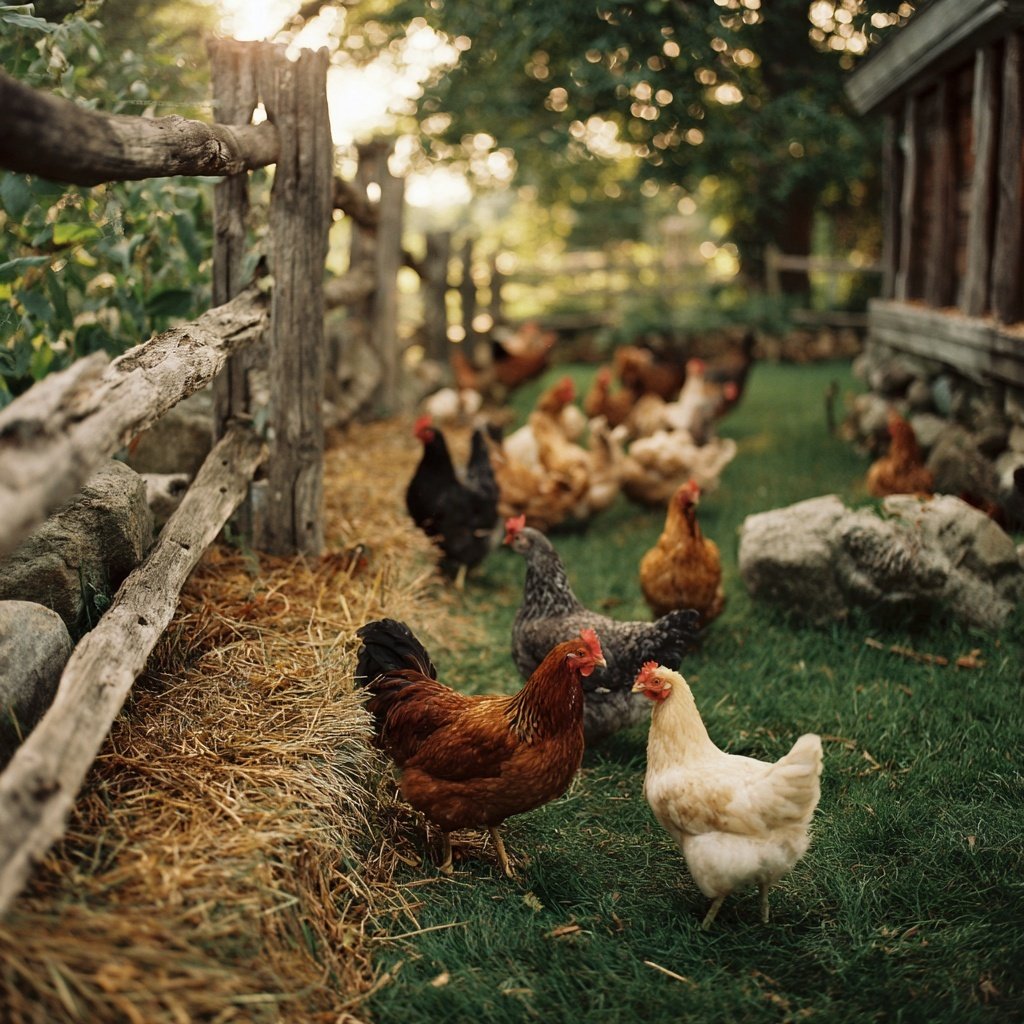
Building my large backyard chicken run was one of the most fulfilling projects I've undertaken. I experimented with different designs and materials, eventually settling on a robust fence combined with a cozy, shaded area for my birds to gather. This not only keeps them safe but also ensures they have plenty of room to stretch their legs. One key tip I learned along the way is to incorporate natural elements like bushes or trees, as they provide additional shelter and enhance the overall aesthetics of the run.
What truly sets my chicken run apart is the incorporation of some vertical space. I added perches and ramps that allow my chickens to exercise and stay entertained. Chickens love to explore their environment, so I made sure to include plenty of hiding spots and enrichment activities to keep them happy. This method not only improves their quality of life but also encourages natural behaviors, leading to healthier, more productive hens.
Why You Will Love This Chicken Run
- Provides a safe haven for your chickens
- Encourages natural behaviors and exercise
- Enhances the beauty of your backyard
- Promotes a healthier flock with ample space and shelter
Choosing the Right Materials
Selecting the right materials is crucial for building a durable chicken run that can withstand weather and predators. I recommend using sturdy galvanized wire fencing or treated wooden panels, as they provide a robust barrier. The gauge of the wire matters; opt for a heavier gauge (at least 16) for enhanced security. Remember, chickens are curious creatures, so ensure the fencing extends at least a foot underground to prevent burrowing predators from entering.
Wooden posts should be treated to resist moisture and decay, enhancing their longevity. When I install my posts, I place them at least six feet apart to maintain structural integrity. Pouring concrete into the post holes is essential for added stability, especially in windy conditions. It may take up to 48 hours for the concrete to cure fully, so plan around that timeframe to ensure your run is securely set.
Enhancing Chicken Comfort
Creating a comfortable environment for your chickens is as important as constructing a secure run. Including proper nesting boxes—one for every 3-4 hens—ensures that they have a comfortable place to lay eggs. The boxes should be at least 12x12 inches and filled with soft bedding, such as straw or shredded paper, to encourage use. I also like to add perches at different heights, providing chickens with options for roosting and reducing stress among the flock.
Adding natural elements to the run fosters mental stimulation, promoting healthier and happier chickens. I often include brush piles or logs, which serve as both playgrounds and hiding spots. These elements not only break up the monotony of the run but also encourage foraging behavior. Chickens love to scratch around and explore, so integrating dirt patches or sandboxes can enhance their overall well-being.
Materials Needed
Materials
- Fencing (wire or wooden panels)
- Wooden posts
- Chicken coop
- Perches and nesting boxes
- Roofing materials (optional)
- Concrete for anchoring posts
- Tools (saw, shovel, hammer, nails)
Make sure to choose materials that are durable and safe for your chickens.
Building Steps
Design the Layout
Plan the dimensions of your chicken run based on the number of chickens you have and the available space in your yard.
Gather Materials
Collect all necessary materials and tools before starting the construction process to ensure a smooth workflow.
Install Fence Posts
Dig holes for your fence posts, ensuring they are deep enough to provide stability, and set them in concrete.
Attach Fencing
Secure the fencing material to the posts, making sure it is taut and free of gaps that chickens could escape through.
Create Shelters and Perches
Add nesting boxes and perches within the run for your chickens to utilize, providing them with comfort and security.
Final Touches
Check all connections and ensure all areas are secure. Consider adding natural elements like bushes or logs for enrichment.
After construction, introduce your chickens gradually to help them adjust to their new environment.
Pro Tips
- Use non-toxic materials to ensure your chickens stay safe and healthy in their new home.
Troubleshooting Common Issues
During construction, it’s common to encounter issues like leaning posts or sagging fencing. If you notice a post tilting, it may need additional concrete or extra bracing. For sagging fencing, ensure that the material is taut and check for any loose ties or connections. Installing tension wires can provide added support, keeping the fence straight and secure over time.
Predator pressure can also escalate if the run isn’t properly secured. If you spot signs of digging or attempts to breach the run, reinforce vulnerable areas with wire mesh or concrete barriers. Keeping the run clean and free from crumbs of feed can also deter unwanted visitors, as many predators are attracted to easy food sources.
Seasonal Considerations
As seasons change, the needs of your chickens will shift as well. In hot weather, ensure there’s plenty of shade within the run, as chickens are prone to heat stress. I like to provide a water pan shaded by a small structure or canopy, allowing them to hydrate freely without overheating. Adding misters can also help keep the temperature down on particularly scorching days.
In winter, insulating your run is essential to protect your chickens from the cold. Consider adding a tarp or other waterproof material to shield against snow or rain. Ensure there’s adequate ventilation to prevent moisture build-up while keeping them warm. I often use straw as a bedding layer, which not only provides warmth but also insulates against the cold ground.
Questions About Recipes
→ How much space do chickens need in a run?
Chickens typically require at least 10 square feet of space per bird in the run.
→ What should I use for bedding in the chicken run?
You can use straw, wood shavings, or grass clippings to create a comfortable bedding layer.
→ How can I protect my chickens from predators?
Ensure that your chicken run is fully enclosed with secure fencing and consider using a roof.
→ Can chickens live in a run without a coop?
While they can spend time in a run, it’s essential to provide a coop where they can sleep and nest.
Large Backyard Chicken Run
Created by: Lydia Barrett
Recipe Type: World Flavor Essentials
Skill Level: Intermediate
Final Quantity: 1
What You'll Need
Materials
- Fencing (wire or wooden panels)
- Wooden posts
- Chicken coop
- Perches and nesting boxes
- Roofing materials (optional)
- Concrete for anchoring posts
- Tools (saw, shovel, hammer, nails)
How-To Steps
Plan the dimensions of your chicken run based on the number of chickens you have and the available space in your yard.
Collect all necessary materials and tools before starting the construction process to ensure a smooth workflow.
Dig holes for your fence posts, ensuring they are deep enough to provide stability, and set them in concrete.
Secure the fencing material to the posts, making sure it is taut and free of gaps that chickens could escape through.
Add nesting boxes and perches within the run for your chickens to utilize, providing them with comfort and security.
Check all connections and ensure all areas are secure. Consider adding natural elements like bushes or logs for enrichment.
Extra Tips
- Use non-toxic materials to ensure your chickens stay safe and healthy in their new home.
Nutritional Breakdown (Per Serving)
- Calories: 0 kcal