Whole Wheat High Protein Bagels
Highlighted under: Healthy Bite Collection
I love making Whole Wheat High Protein Bagels because they are nutritious and delicious. The process of kneading the dough and baking them fills my kitchen with a wonderful aroma that makes it hard to resist a warm bagel right out of the oven. These bagels are perfect for a hearty breakfast or a midday snack, and I appreciate knowing exactly what ingredients are in each bite. Plus, the combination of whole wheat and protein-rich toppings satisfies my hunger and keeps me energized throughout the day.
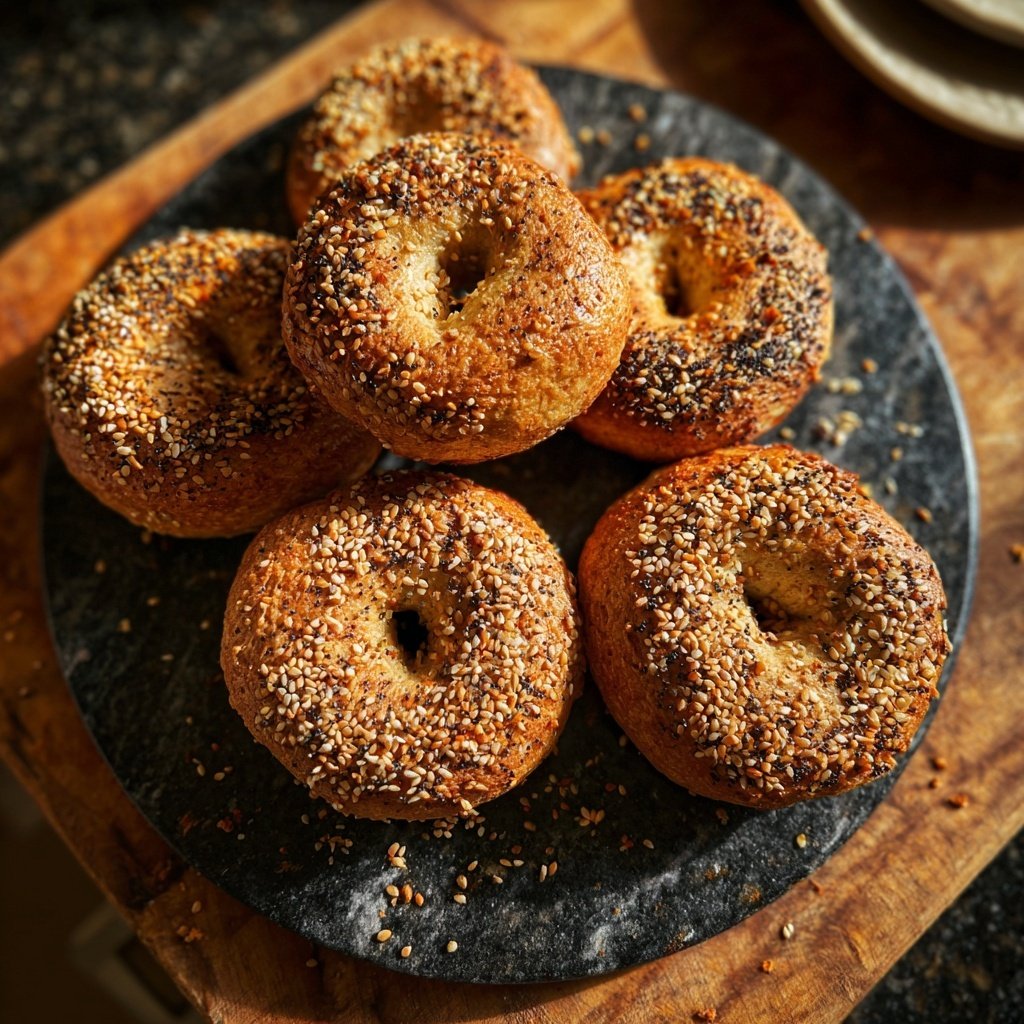
When I first decided to make Whole Wheat High Protein Bagels, I wanted to find a way to boost the nutritional value of my favorite breakfast treat. Using whole wheat flour not only adds fiber but also gives the bagels a lovely nutty flavor. I was thrilled with how the texture turned out—chewy on the outside and soft on the inside, just like a perfect bagel should be.
What really elevates these bagels is the addition of Greek yogurt to the dough, which increases protein content and enhances the moisture. During my experiments, I found that letting the bagels rest before boiling helps them rise better and develop a beautiful crust when baked. Don't skip this step if you want that authentic bagel texture!
Why You'll Love These Bagels
- Packed with protein to keep you full and energized
- Deliciously chewy texture with a wholesome flavor
- Customizable with your favorite toppings and spreads
The Importance of Kneading
Kneading the dough is a crucial step in bagel making, as it develops the gluten structure, which gives bagels their iconic chewiness. Knead the dough for about 5 minutes on a floured surface until it becomes smooth and elastic. You can tell it’s ready when it springs back after being pressed with your finger. This technique is essential for achieving that distinct bagel texture, so don’t rush through this process.
If you find the dough too sticky while kneading, sprinkle a little extra flour onto the surface. However, be cautious—adding too much can lead to dense bagels. The goal is a slightly tacky dough that holds together well. The right kneading creates an optimal texture that elevates the bagels from basic bread to a delightful treat.
Boiling: A Key Technique
The boiling step is what distinguishes bagels from other baked goods. Dropping each bagel into simmering water for about a minute on each side helps to set the crust, creating that signature chewy outer layer. Make sure the water is at a gentle boil—too vigorous a boil can cause the bagels to fall apart. I like to add a pinch of baking soda to the water, which enhances the browning and adds flavor.
After boiling, allow the bagels to cool briefly on the baking sheet before placing them in the oven. This not only helps to create a glossy finish but also allows the steam to escape without making the bagels soggy. When baked at 425°F (220°C), they should come out golden brown with a firm crust, which you can test by tapping the bottom; it should sound hollow.
Storing and Serving Suggestions
These Whole Wheat High Protein Bagels can be stored at room temperature for up to two days—just make sure they’re in an airtight container to prevent them from becoming stale. If you want to keep them longer, consider freezing them. Once cooled, wrap each bagel tightly in plastic wrap and store them in a freezer bag. They can stay good for up to three months. Simply pop them in the oven or toaster straight from the freezer for a quick breakfast.
For serving, these bagels are incredibly versatile. Slice them and spread a layer of cream cheese or top with avocado for a hearty breakfast. You can also experiment with toppings before baking—try sprinkling sesame seeds, poppy seeds, or even everything seasoning for added flavor. Each of these variations can give your bagels a distinct personality that might just make them a new family favorite.
Ingredients
For these bagels, you'll need some basic ingredients that are likely already in your pantry.
Bagel Ingredients
- 2 cups whole wheat flour
- 1 cup high-protein flour or bread flour
- 1 tablespoon instant yeast
- 1 tablespoon honey or maple syrup
- 1 teaspoon salt
- 1 cup warm water
- 1/2 cup Greek yogurt
- 1 tablespoon olive oil
Feel free to get creative with toppings like sesame seeds, everything bagel seasoning, or even a light sprinkle of cheese before baking.
Instructions
Get ready to bring the smell of freshly baked bagels into your home!
Prepare the Dough
In a large bowl, mix together the whole wheat flour, high-protein flour, instant yeast, honey, and salt. Gradually add the warm water and Greek yogurt, and mix until a dough forms. Knead on a floured surface for about 5 minutes until smooth.
Let It Rise
Place the kneaded dough in a greased bowl, cover with a kitchen towel, and let rise in a warm place for 30 minutes, or until doubled in size.
Form the Bagels
Once risen, punch the dough down and divide it into 8 equal pieces. Roll each piece into a ball, then poke a hole in the center to shape into a bagel. Let rest for about 10 minutes.
Boil and Bake
Preheat your oven to 425°F (220°C). Boil a large pot of water and add a pinch of salt. Carefully drop the bagels in, boiling for about 1 minute on each side. Remove and place on a baking sheet lined with parchment paper. Bake for 25 minutes or until golden brown.
Enjoy these bagels fresh from the oven or toast them for a delightful crunch on the outside.
Pro Tips
- For an extra glossy finish, brush the bagels with an egg wash before baking. Experiment with different toppings to customize your bagels to your liking.
Ingredient Insights
The choice of flour in this recipe plays a significant role in the texture and nutritional value of your bagels. Whole wheat flour adds fiber and nutrients, while high-protein flour contributes to the dough's elasticity and strength. If you’re in a pinch, you can substitute the high-protein flour with all-purpose flour, but the bagels may not achieve the same chewy texture.
Using Greek yogurt in the dough not only enriches the flavor but also helps keep the bagels moist. If you're looking for a dairy-free option, a plant-based yogurt can be used in a one-to-one ratio. This not only makes the recipe accessible to those with dietary restrictions but also helps to maintain that desired moisture within the finished bagel.
Troubleshooting Tips
If your bagels don't rise as expected, it could be due to old yeast. Make sure to check the expiration date before starting. If unsure, proof the yeast first by mixing it with warm water and a bit of sugar; if it bubbles and froths in about 5-10 minutes, it’s good to use.
Another common issue is bagels turning out dense instead of chewy. This can happen if you add too much flour during kneading or don’t knead the dough enough. Using a digital kitchen scale to measure ingredients can ensure accuracy, particularly with flour. It helps to avoid common pitfalls that might compromise the texture and flavor you are aiming for.
Scaling the Recipe
This recipe can easily be doubled if you're serving a crowd or want to have extra bagels on hand. Just keep in mind that the rising times may vary slightly. For larger batches, it’s advisable to use a stand mixer with a dough hook for kneading, as this saves time and effort.
When scaling the recipe, ensure that you have enough space on your baking sheet for all the bagels. They should have enough room to expand while baking; overcrowding can result in uneven baking and less than ideal crusts. Adjust your oven racks if necessary to prevent them from touching each other while they bake.
Questions About Recipes
→ Can I make these bagels gluten-free?
You can try using gluten-free flour blends, but the texture may vary.
→ How should I store leftover bagels?
Store them in an airtight container at room temperature for up to 2 days, or freeze for longer storage.
→ Can I use regular yogurt instead of Greek yogurt?
Yes, but Greek yogurt contributes to a denser texture and higher protein content.
→ What can I serve with these bagels?
They pair perfectly with cream cheese, avocado, or your favorite spread!
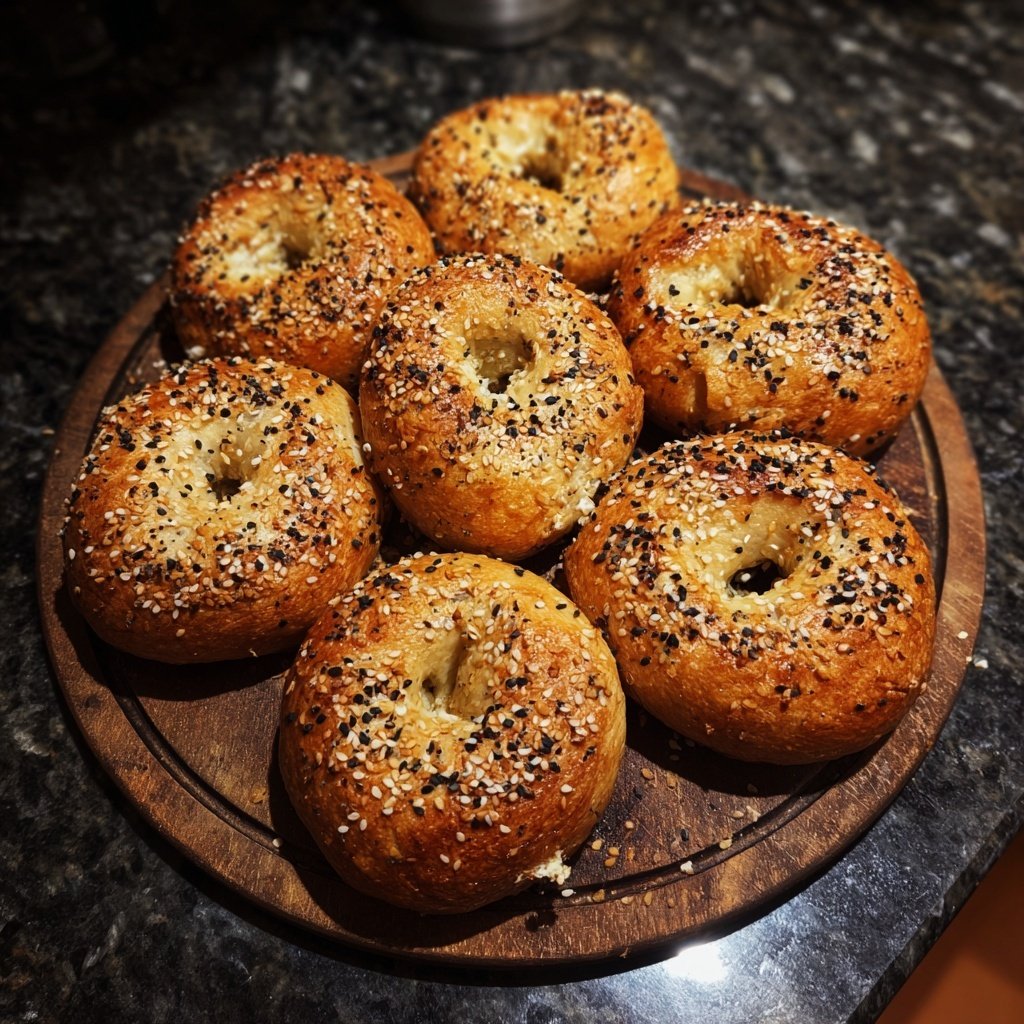
Whole Wheat High Protein Bagels
Created by: Lydia Barrett
Recipe Type: Healthy Bite Collection
Skill Level: Intermediate
Final Quantity: 8 bagels
What You'll Need
Bagel Ingredients
- 2 cups whole wheat flour
- 1 cup high-protein flour or bread flour
- 1 tablespoon instant yeast
- 1 tablespoon honey or maple syrup
- 1 teaspoon salt
- 1 cup warm water
- 1/2 cup Greek yogurt
- 1 tablespoon olive oil
How-To Steps
In a large bowl, mix together the whole wheat flour, high-protein flour, instant yeast, honey, and salt. Gradually add the warm water and Greek yogurt, and mix until a dough forms. Knead on a floured surface for about 5 minutes until smooth.
Place the kneaded dough in a greased bowl, cover with a kitchen towel, and let rise in a warm place for 30 minutes, or until doubled in size.
Once risen, punch the dough down and divide it into 8 equal pieces. Roll each piece into a ball, then poke a hole in the center to shape into a bagel. Let rest for about 10 minutes.
Preheat your oven to 425°F (220°C). Boil a large pot of water and add a pinch of salt. Carefully drop the bagels in, boiling for about 1 minute on each side. Remove and place on a baking sheet lined with parchment paper. Bake for 25 minutes or until golden brown.
Extra Tips
- For an extra glossy finish, brush the bagels with an egg wash before baking. Experiment with different toppings to customize your bagels to your liking.
Nutritional Breakdown (Per Serving)
- Calories: 220 kcal
- Total Fat: 2.5g
- Saturated Fat: 0.5g
- Cholesterol: 2mg
- Sodium: 110mg
- Total Carbohydrates: 42g
- Dietary Fiber: 6g
- Sugars: 1g
- Protein: 10g